 Get App


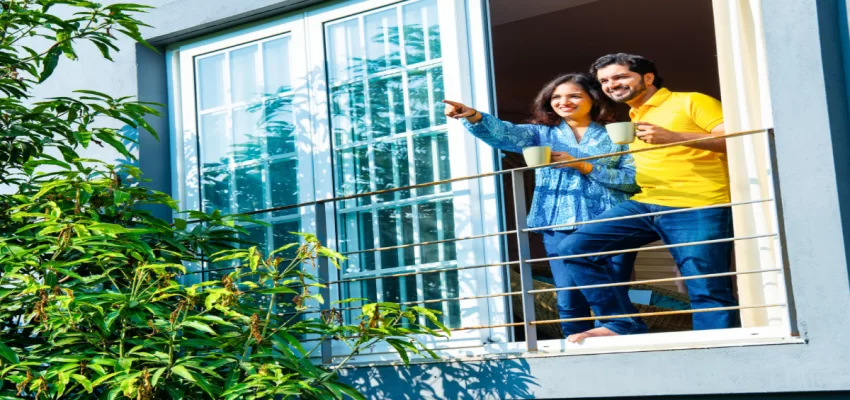
Living in Indian houses, people often use sturdy and strong doors and windows, but you must know how many types of doors and windows are available for the house where you live.
Post your Requirement
There are various types of windows that are used in Indian houses. Not all windows and designs are the same, and they vary across rooms, balconies, and entrances.
There are various window materials that people use in Indian homes, such as:
- uPVC Windows
- Aluminium Windows
- Wooden Windows
- Steel Windows
- Vinyl Windows
Let’s discuss the first-mentioned window, i.e., uPVC windows, in this article, as they have gained momentum in the last few years in India.
If you are building a new home or renovating your existing one, your contractor/architect, developer must have mentioned uPVC windows and doors. If you are not familiar with the term, you might be curious to know what it is, what it is made of, what its advantages and limitations are and what price range they are available in the market.
Let’s explore this topic together and find out about uPVC windows.
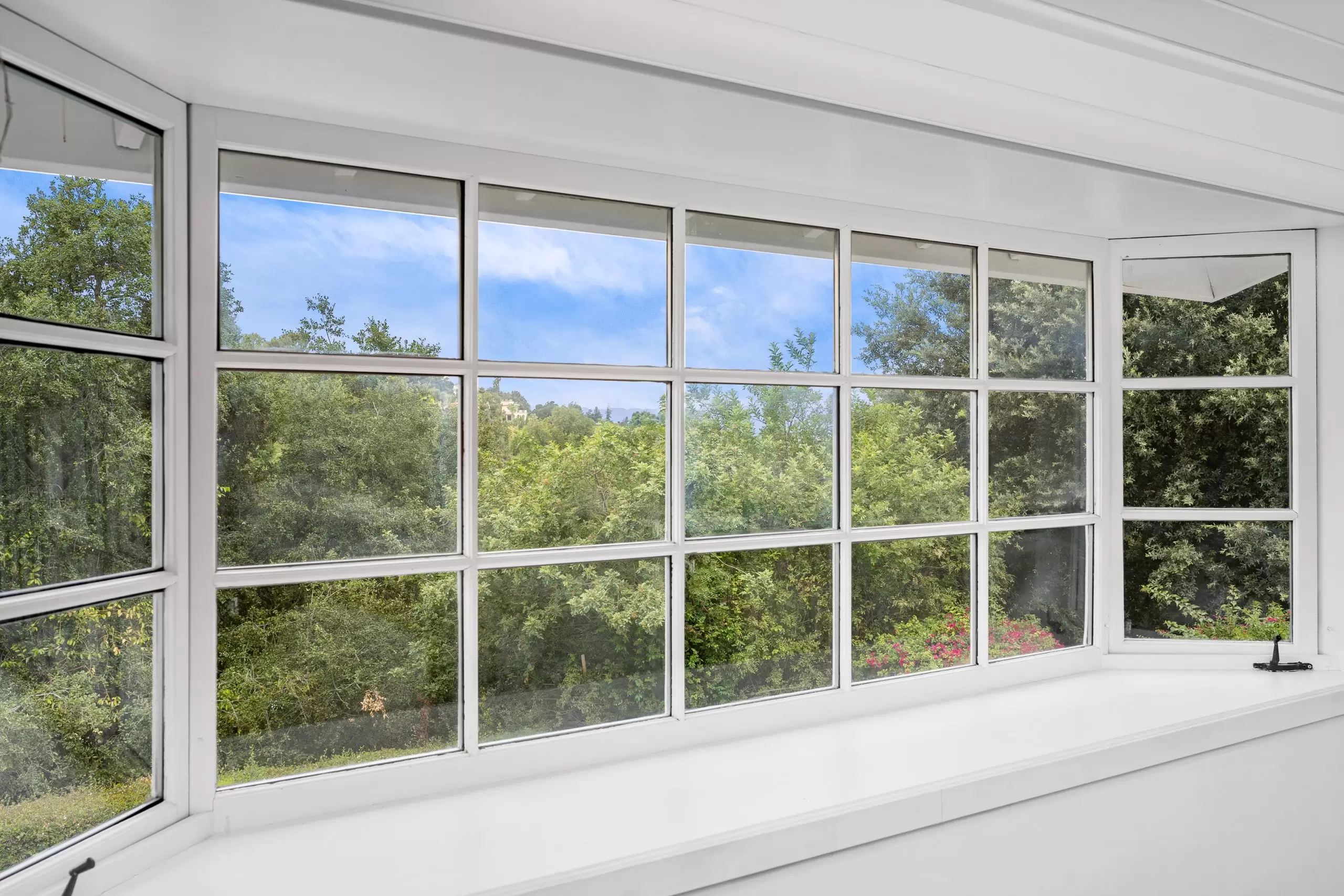
uPVC Casement Windows
What is uPVC?
uPVC is a material also known as unplasticized polyvinyl chloride. It is made with a combination of various materials, i.e., PVC Resin, Calcium Carbonate, Titanium Dioxide, and other aids. It is a strong, cost-effective plastic material that resists bending and buckling. What makes uPVC different from PVC is that it does not contain plasticisers, thus making it rigid, durable, and a reliable choice for window frames. It can last for years with very minimal or almost no maintenance.
Types of uPVC windows
- uPVC Casement Windows: These are side‑or top‑hinged window frames that open outward or inward to give maximum ventilation and an airtight seal.
- uPVC Sliding Windows: uPVC sliding windows feature horizontal sashes that glide sideways on rollers.
- Villa Windows: uPVC villa windows bring together a glass sash, a built-in security grill and a detachable or sliding bug mesh all in one multi-chambered frame.
- uPVC Lift Slide Windows: uPVC lift-and-slide systems are built to last. They are duty and high-performance mechanisms made for large window and door openings.
- uPVC Slide and Fold Windows: In a slide-and-fold window, many small panels are linked together by hinges and slide along a guide rail. Each panel can be moved easily.
- uPVC Tilt and Turn Windows: With a tilt-and-turn uPVC window, you can tilt the window a little for fresh air, or you can turn it fully for a complete opening. Tilt and turn uPVC windows work best in rooms that need quick ventilation or a wide view, like kitchens, living rooms or bedrooms.
Pros of uPVC Windows in India
- Fits for All Weather Conditions: In India, we experience different weather, with harsh climatic conditions across different states. uPVC windows are the most apt for all Indian weather conditions as they can withstand extreme heat, heavy monsoon rains, harsh summer heat, and coastal humidity.
- Affordable in Price: Low-budget in comparison to Aluminium and Wooden Doors and long-lasting.
- Corrosion-free: uPVC windows don’t corrode.
- Soundproof: uPVC Windows with proper glass set make your home soundproof from outside noise. uPVC windows help reduce outside noise, making them an excellent choice for sound insulation.
- Fire-Resistant: Fire retardants are added to uPVC to make it more fire-resistant.
- Eco-Friendly: uPVC protects homes from UV rays, and other harmful rays and that enter, which helps prevent outdoor heat from entering your home and maintaining the inner temperature keeps the interiors cooler.
- Waterproof: It can withstand heavy rains and strong winds and save your home from water leakage, making it suitable for coastal areas.
- Termite-proof: As uPVC is made of rigid, synthetic material combinations, it is resistant to termites, which protects it from rotting.
- Recyclable Material: uPVC is made from materials that can be recycled, making it an environmentally friendly option.
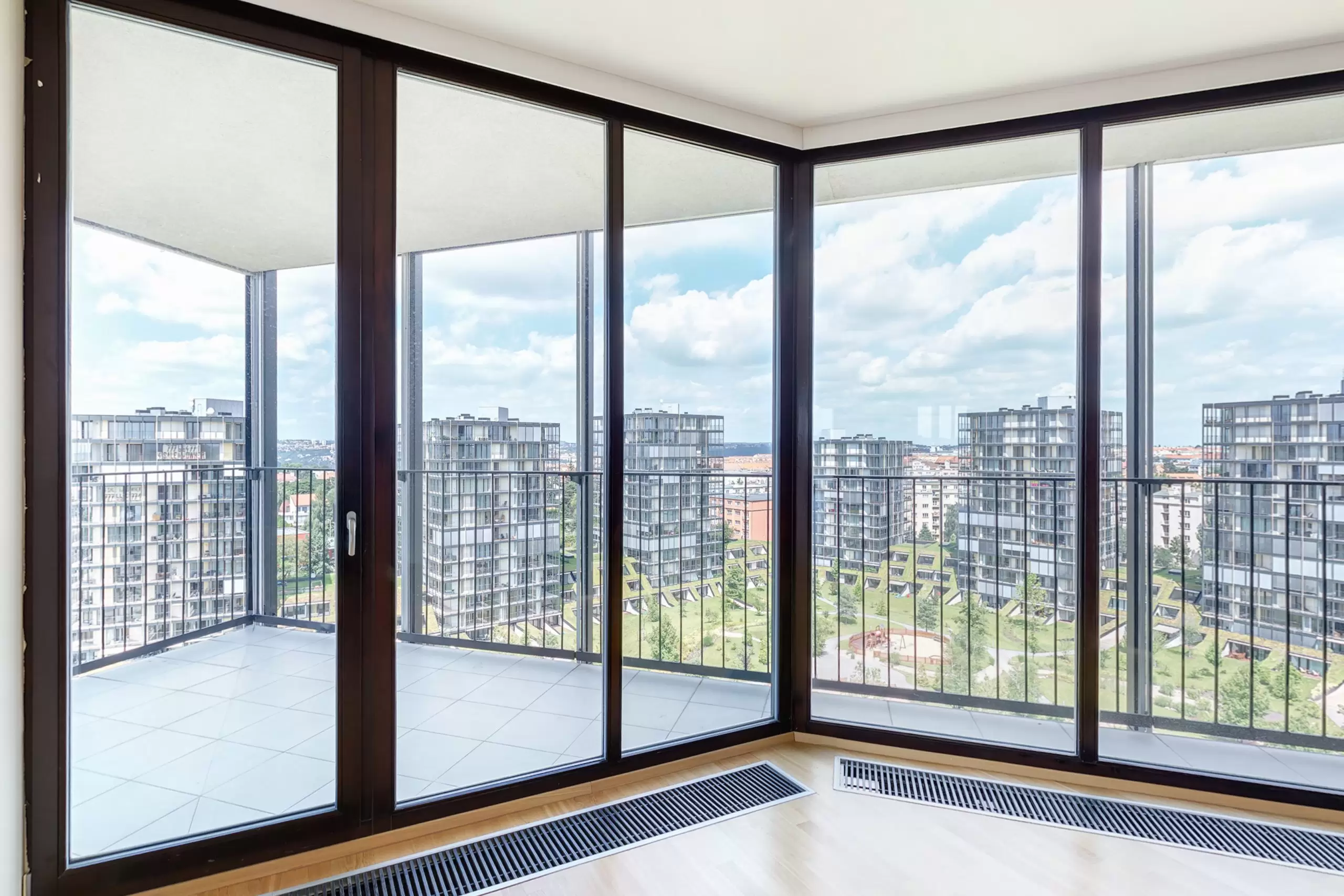
uPVC Sliding Windows
Limitations/uPVC Cons
- Lacks Rigidity: uPVC is not very rigid on its own and requires internal steel reinforcement to provide stability.
- May Change Colour: In some cases, uPVC windows may turn yellow due to prolonged exposure to sunlight.
- Limited Colour Options: uPVC windows have limited colour options compared to other materials.
- Bulky: uPVC tends to look bulkier.
uPVC Window Prices in India:
| uPVC Windows | Price Per Sq. Ft. |
| Casement Windows | ₹ 800 and Above |
| Fixed Windows | ₹ 500 and Above |
| Sliding Windows | ₹ 650 and Above |
| Lift & Slide Windows | ₹ 1,500 and Above |
| Slide & Fold Windows | ₹ 1,200 and Above |
| Tilt and Turn Windows | ₹ 800 and Above |
| Corner Slider Windows | ₹ 1,200 and Above |
| Villa Windows | ₹ 1,200 and Above |
* Price will vary as per colour, types of glass used, brand, and specifications
Conclusion
Nowadays in India, where there is so much uncertainty in weather and pollution in cities, uPVC windows have become a first choice for modern homes because they offer long-term durability and balanced performance. When the advantages and disadvantages are compared, the benefits of uPVC outweigh its drawbacks, making it an ideal choice for your home.
FAQ’s
Q. What are the factors that decide uPVC window prices?
Ans. The brand, product quality, window size, material thickness, area location, availability, and many other factors determine its price.
Q. What is the average cost for a uPVC window?
Ans. Average costs vary depending on the material and its thickness; here are the rough estimates-
- Economical range window in Single Glazing price – ₹ 300 – ₹ 500 per sq.ft. approx
- Mid-range window in Double Glazing price – ₹ 500 – ₹ 900 per sq.ft. approx
- Luxury range in Triple Glazing price – ₹ 900 – 1500 per sq. ft. approx
Q. How to calculate the total uPVC window cost?
Ans. While calculating the uPVC window cost, you have to multiply the window cost per sq.ft. by the total window area, add the hardware and glass costs used in installation and include installation charges if applicable.
Q. What is the average lifecycle of the uPVC window materials?
Ans: There is no certified document on how long it lasts, but as per company claims and public reviews, it is around an average of 20-30 years of lifespan, and if uPVC windows is of high quality and maintained properly it will last more longer.






Post A Comment